
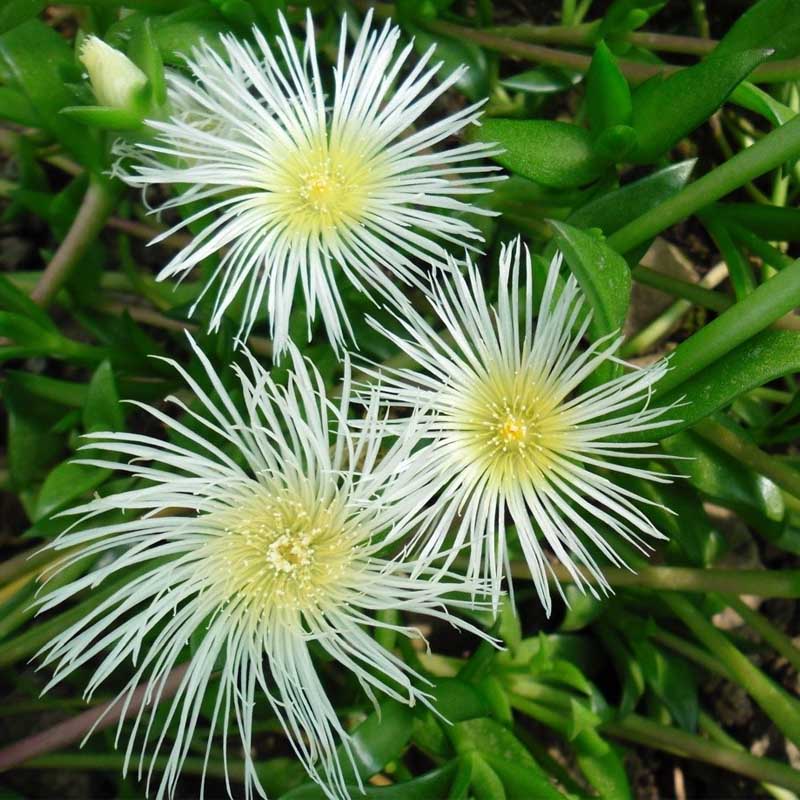
Sceletium tortuosum is a plant with a long history of traditional use in South Africa. Commonly known as kougoed, it has been used for centuries by the Khoi-San people for its mood-enhancing and calming properties. The plant is endemic to the arid western regions of South Africa, particularly the Namaqualand area, where it thrives in dry, harsh conditions.
Traditionally, Sceletium was used to improve mood, boost endurance, and relieve abdominal discomfort. In recent years, however, it has gained growing attention in modern research for its potential role in supporting mental health. Clinical studies have demonstrated promising results in the use of Sceletium for anxiety and depression, contributing to its increasing popularity in natural health and wellness spaces.
The effects of Sceletium are largely attributed to its unique alkaloid profile, which includes mesembrine, mesembrenone, and mesembrenol. These compounds act as strong inhibitors of serotonin reuptake in the brain, helping to increase serotonin availability. In addition, they inhibit phosphodiesterase-4 (PDE4) enzymes, a mechanism associated with improved mood regulation, reduced anxiety, and enhanced stress resilience. Through these combined actions, Sceletium helps the body respond more adaptively to physical and emotional stress, improving overall stress tolerance without causing sedation.
Beyond its clinical applications, Sceletium has also been shown to support emotional well-being in healthy individuals. Research and anecdotal reports suggest that it can improve stress tolerance by promoting a sense of calm focus, emotional balance, and mental clarity during challenging situations. This enhanced ability to cope with stress may contribute to improved daily functioning, greater resilience, and increased pro-social behaviour.
Sceletium is generally well tolerated and associated with minimal side effects. While no significant drug interactions have been reported, caution is advised when combining Sceletium with other psychoactive substances or medications that increase serotonin levels, due to the potential risk of serotonin syndrome.
Conclusion
Sceletium tortuosum represents a compelling example of how traditional plant medicine and modern science can intersect. With its long-standing cultural heritage, well-documented mechanisms of action, and growing body of clinical research, Sceletium offers a natural approach to supporting mood, reducing anxiety, and improving stress tolerance. As interest in plant-based mental health and stress-management solutions continues to grow, Sceletium stands out as a uniquely South African botanical with meaningful potential for modern wellness.