
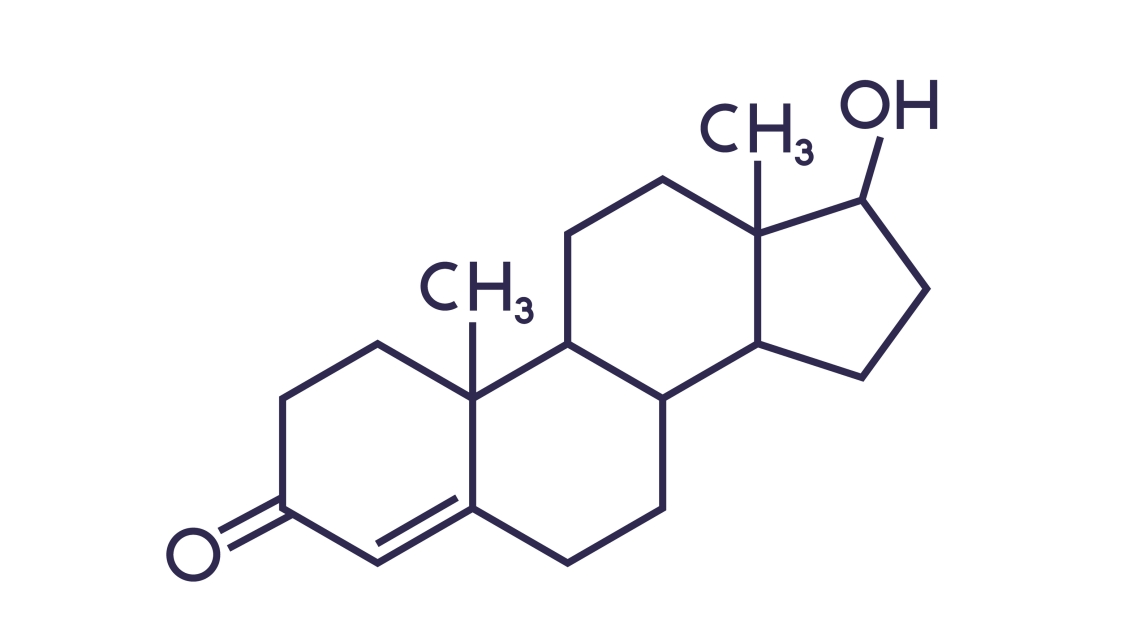
Testosterone is a vital hormone in both men and women. When testosterone levels fall below the normal physiological range, individuals may experience symptoms such as reduced libido, altered mood, fatigue, erectile dysfunction, anaemia, decreased muscle mass, reduced bone density, and a diminished sense of well-being. Although testosterone levels naturally decline with age, low testosterone is increasingly recognised in younger individuals. Levels may also be affected by obesity, metabolic disease, chronic illness, certain medications, and physical trauma.
Testosterone replacement therapy (TRT) is increasingly used as a treatment for individuals experiencing symptoms of low testosterone. The primary goal of TRT is to restore testosterone levels to the normal physiological range, thereby improving symptoms and mitigating the long-term health implications associated with deficiency. When appropriately prescribed, TRT can significantly enhance quality of life; however, it is not a one-size-fits-all solution.
Several formulations of TRT are available, each with specific advantages and limitations. Clinical response, serum testosterone levels, patient preference, and individual risk factors should guide dosing and formulation selection.
Oral testosterone preparations, including bioidentical formulations, offer convenience for some patients. However, because oral therapy undergoes first-pass liver metabolism, bioavailability may be variable, and it is therefore not typically considered first-line therapy in many treatment protocols.
Transdermal creams and gels are commonly used because they allow flexible dosing and relatively stable testosterone levels over a 24-hour period. These preparations are often compounded and can be tailored to individual dosing requirements. Transdermal formulations are particularly useful for rapidly correcting low serum testosterone levels, and levels decline promptly once therapy is discontinued. Clinical evidence suggests that transdermal TRT is especially effective in improving sexual function symptoms. With topical formulations, patients must wash their hands thoroughly after application to prevent unintentional transfer to others.
Intramuscular injections are another widely used option. In South Africa, testosterone cypionate and testosterone undecanoate are registered forms. These esterified forms are oil-soluble, making them suitable for depot intramuscular injection. Testosterone cypionate has a shorter half-life (approximately 8 days), allowing for easier dose titration but often resulting in greater fluctuations in serum testosterone levels between injections. It is frequently preferred during treatment initiation when dose adjustments may be required. In contrast, testosterone undecanoate has a much longer half-life (approximately 34 days), producing more stable serum levels and typically requiring administration every 10–14 weeks. However, its extended duration of action means that adverse effects may take longer to resolve due to a prolonged clearance time.
Regardless of the formulation selected, TRT requires structured and ongoing safety monitoring. Serum testosterone levels should be reassessed after initiation and periodically thereafter to ensure concentrations remain within the physiological range. Haematocrit and haemoglobin should be monitored, as testosterone therapy stimulates erythropoiesis and may lead to elevated haematocrit. Additional monitoring should include prostate health assessments, liver function testing, lipid profiles, and evaluation of overall cardiovascular risk factors.
TRT is contraindicated in individuals with known or suspected prostate or breast cancer, elevated haematocrit, chronic heart failure, or untreated obstructive sleep apnoea. Additionally, men who wish to conceive within the next six to twelve months should avoid TRT, as exogenous testosterone suppresses the hypothalamic-pituitary-gonadal axis and can reduce sperm production.
If symptoms, particularly sexual symptoms, fail to improve within approximately six months despite normalisation of testosterone levels, a careful reassessment of the risk-benefit profile is warranted. Continued therapy without meaningful clinical improvement should prompt evaluation for alternative or contributing causes of symptoms.
Conclusion
When appropriately prescribed and monitored, testosterone replacement therapy can offer substantial and meaningful benefits. For individuals with testosterone deficiency, restoring levels to the physiological range can improve libido and sexual function, enhance mood and motivation, increase muscle mass and strength, support bone density, and correct testosterone-related anaemia. Many patients report improved energy, vitality, and overall quality of life once hormonal balance is re-established.
TRT is not about optimisation beyond normal levels, but about restoring what has been lost. With appropriate diagnostic evaluation, individualised dosing, and structured monitoring, testosterone therapy can be a safe and effective intervention that significantly improves both physical health and emotional well-being.